Data Centers Powering AI Create Unprecedented Risk Accumulation Challenges for Insurers
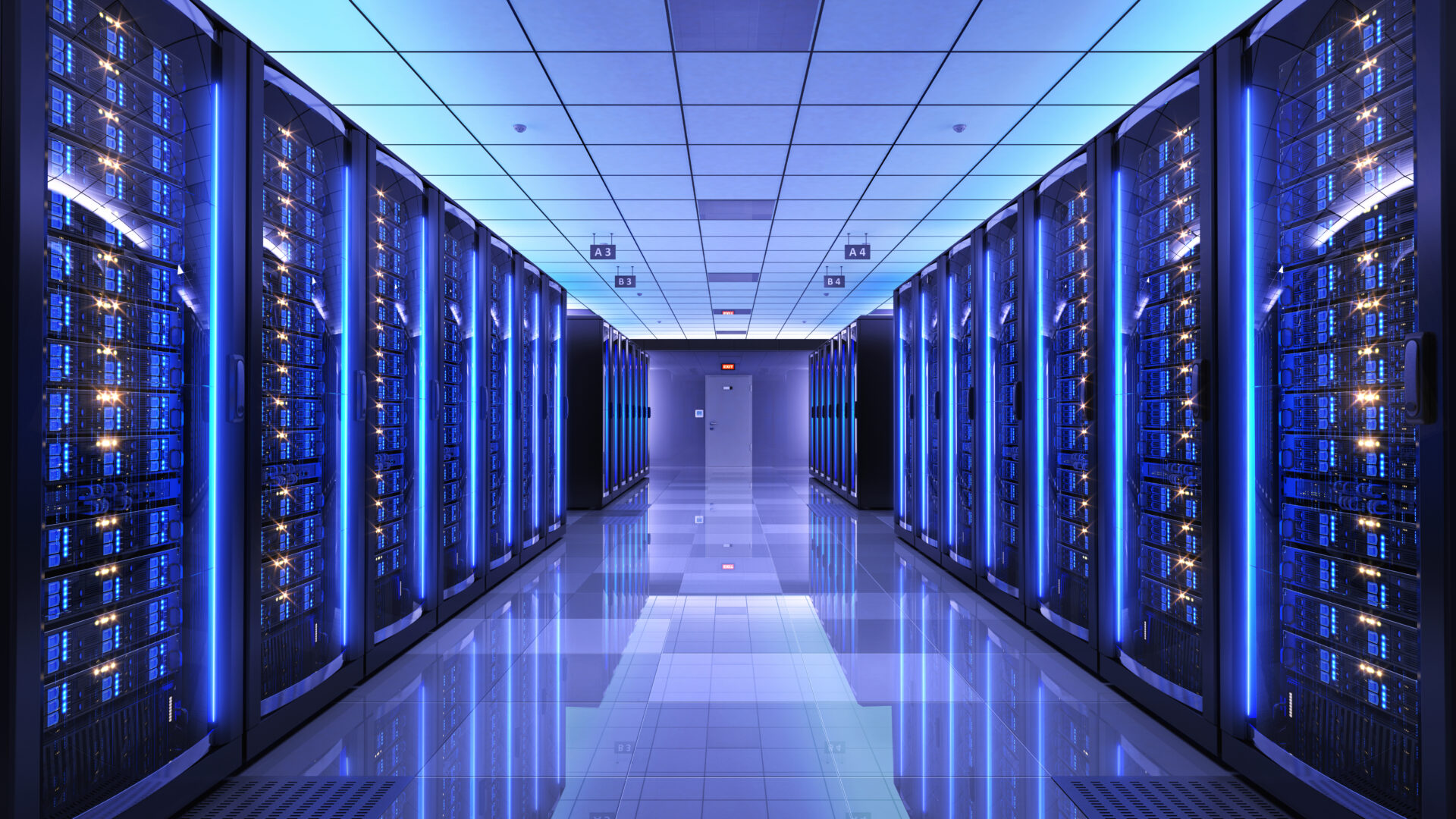
As artificial intelligence (AI) continues to grow, the data centers that power these technologies are becoming increasingly important—and increasingly risky. Insurers are facing new challenges because these massive facilities, filled with expensive servers and equipment, concentrate enormous amounts of value in one location. Any damage, outage, or cyberattack could lead to unprecedented financial losses.
Why AI Data Centers Are Unique
AI data centers are different from traditional data centers because they often:
- Host thousands of high-powered servers designed for AI computations.
- Consume enormous amounts of electricity to run and cool the equipment.
- Operate 24/7 to handle real-time AI processing needs.
This concentration of expensive hardware and critical infrastructure makes them high-risk targets for accidents, power failures, and cyberattacks.
Risk Accumulation Explained
In insurance, risk accumulation refers to the concentration of valuable assets in a single location or network. If a single event—like a fire, flood, or cyberattack—affects a data center, the resulting loss could be enormous. For insurers, this makes it difficult to estimate potential exposure and set premiums appropriately.
AI data centers are especially concerning because:
- Multiple companies may rely on a single facility for AI services.
- Losses can affect not just one client, but many businesses simultaneously.
- Complex systems make predicting failures and risks harder.
Cybersecurity Threats
AI data centers face higher cybersecurity risks than traditional facilities. Hackers may target AI servers to steal data, disrupt operations, or manipulate AI models. A successful attack could cause massive financial losses and reputational damage.
Insurers must account for these risks when covering AI data centers, making cyber insurance more complicated and expensive.
Physical Risks
In addition to cyber threats, AI data centers face physical risks, including:
- Fires caused by electrical faults or overheating equipment.
- Floods or natural disasters affecting power and cooling systems.
- Hardware failures that can disrupt operations and cause downtime.
Because these facilities are so specialized, repairs or replacements are often more costly and time-consuming than in conventional data centers.
Implications for the Insurance Industry
Insurers need new strategies to cover AI data centers safely. Traditional risk models may not account for:
- The extreme concentration of valuable equipment.
- The interdependence of multiple clients on the same infrastructure.
- The speed at which AI growth is increasing exposure.
As a result, insurers may require more detailed risk assessments, higher premiums, or shared coverage between multiple providers.
How Operators Are Responding
Data center operators are taking steps to reduce risk, including:
- Advanced fire suppression systems to prevent catastrophic damage.
- Redundant power and cooling systems to avoid outages.
- Enhanced cybersecurity protocols to protect AI workloads.
These measures help protect clients, reduce downtime, and make it easier for insurers to provide coverage.
The Future of AI Data Center Insurance
As AI continues to expand, data centers will become even more critical—and insurers will need innovative solutions. This may include:
- Parametric insurance, which pays out based on predefined triggers like downtime.
- Collaborative risk-sharing, where multiple insurers cover one high-value facility.
- AI-driven risk assessment, using AI to monitor, predict, and prevent incidents.
The goal is to balance the growth of AI with the financial safety of all parties involved.
Conclusion
AI data centers are at the heart of modern technology, powering everything from chatbots to autonomous systems. However, their size, value, and complexity create unprecedented risk accumulation challenges for insurers. Addressing these challenges requires innovative strategies, advanced safety measures, and a careful understanding of the unique risks involved.
Insurers, data center operators, and technology companies will need to work together to ensure that the backbone of AI growth remains secure and resilient.